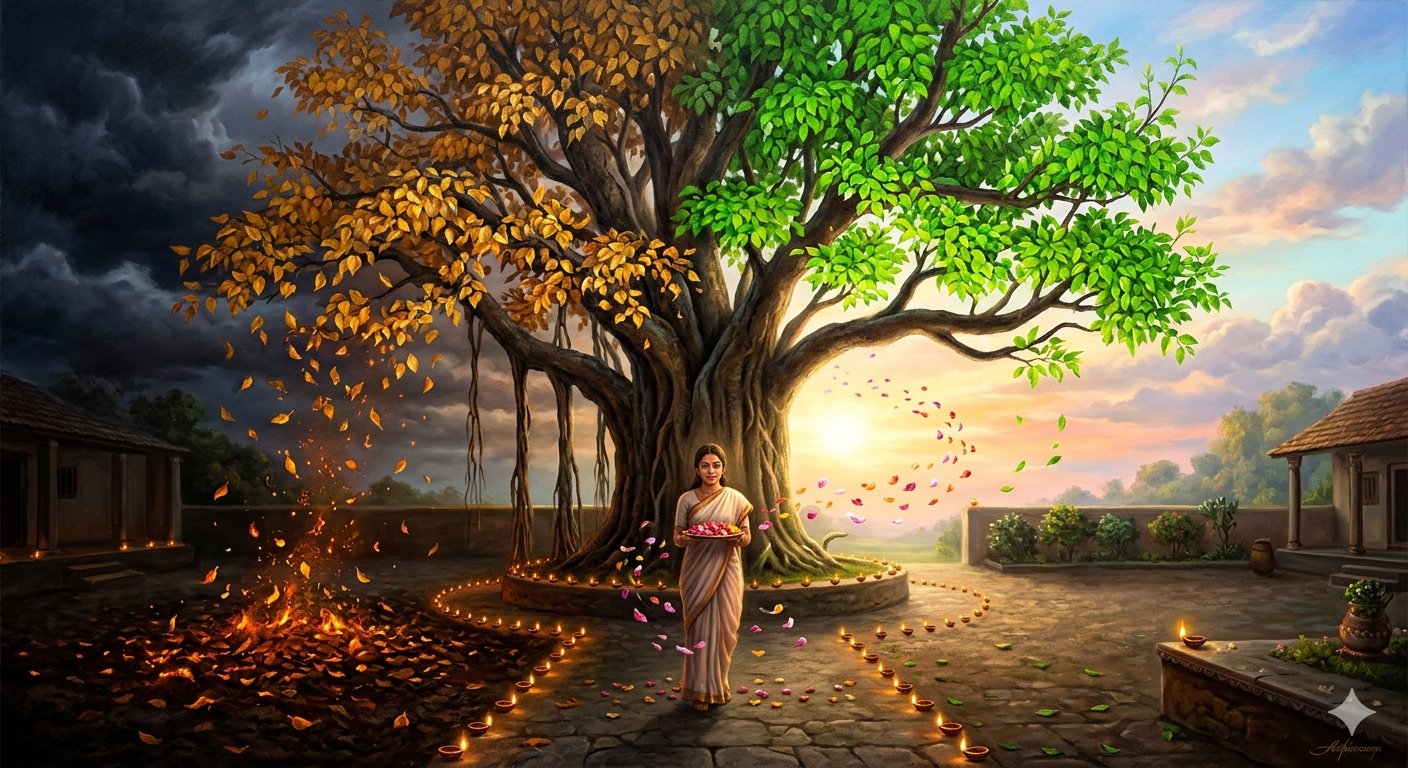
Every creature that takes a breath upon this planet is a living tapestry woven entirely from cells. Each microscopic vessel does not emerge from a void; it rises gracefully from a pre-existing cell, step by step, continuously building our frames, expanding our horizons, and stepping in to replace the dying, the dead, or the damaged tissues of our weary bodies. In the grand choreography of our cellular systems and nature, death is never a final punctuation mark. It is a transition—a necessary shedding that clears a path for the persistent, unshakeable drive of life to move forward. This profound, unspoken continuity between our cellular renewal and our daily experience invites us to look backward, urging us to examine the quiet, miraculous mystery of our beginnings.
To understand this journey, we must trace our physical presence from its most hidden, microscopic spark to the magnificent macro-reality we inhabit today. Our origins find their first anchor in the sacred fusion of two reproductive cells, coming together to form a single, extraordinary totipotent cell. Gifted with absolute potential, this lone cell begins an exquisite dance of continuous division, shaping an embryo, organizing tissues, and structuring our complex organs within the dark, warm sanctuary of the maternal womb. Throughout this silent, foundational epoch, our entire energy and sustenance flow directly from the nourishment our mothers consume. We are literally built from the quiet sacrifices of another.
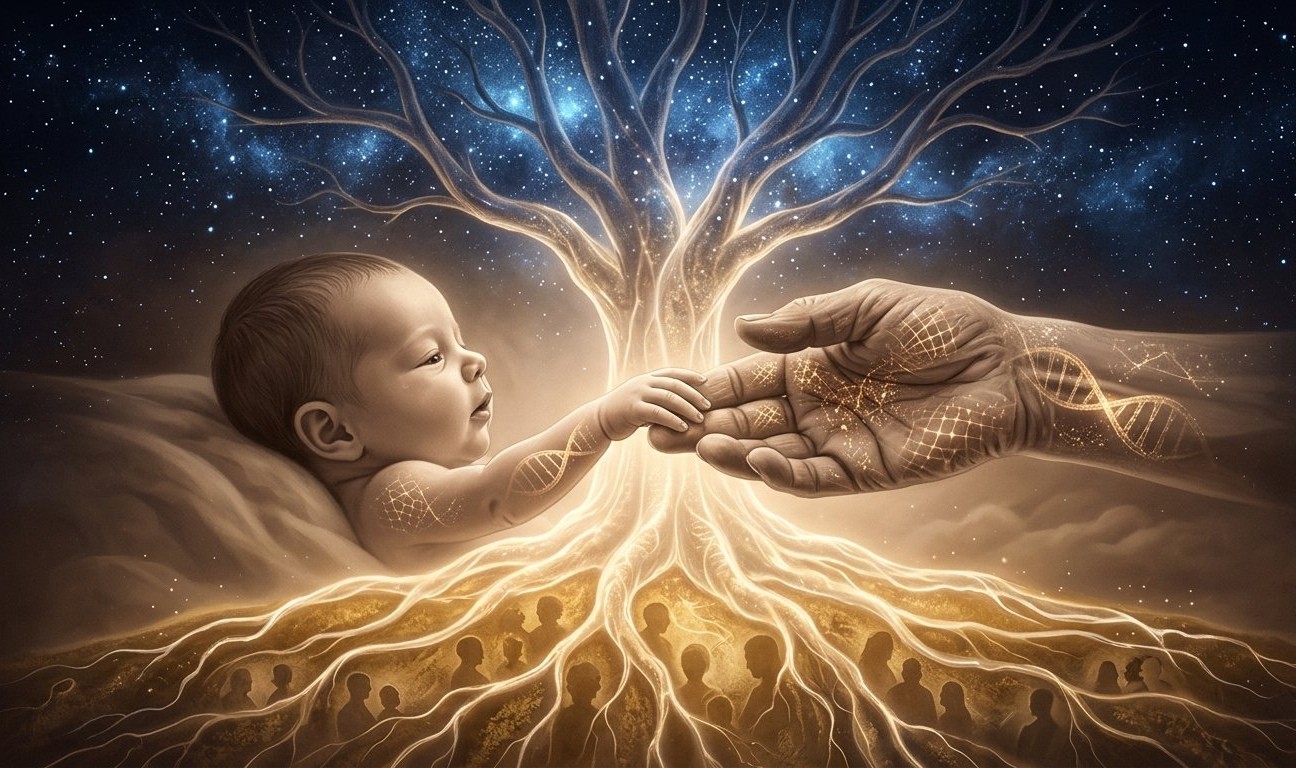
By the time we enter the world as newborns, we already mirror the basic bodily architecture of the adults we are destined to become. Vast, intricate systems are already humming perfectly inside our small chests, even as we stretch our tender, fragile fingers outward to meet the open air. We step into the outside world not as isolated individuals, but as an incredibly organized, highly sophisticated civilization of billions of cells—a collective entity our ancient traditions call the Mahāsamāja. This vast cellular society requires constant, deliberate fuel and care to survive, and within its invisible pathways, it carries a deep inheritance that forever links our immediate presence with the countless generations that walked before us.
Our parents’ gift to this cellular civilization is monumental. Their genetic legacy weaves itself into the very rhythm of our metabolic processes, our cellular habits, and the subtle, baseline traits of our temperament and predispositions. We walk through life carrying the specific strengths, the hidden vulnerabilities, and the untapped potentials of our parents and our most distant ancestors. This is our genetic wellspring. Even the mitochondria—the tireless, microscopic powerhouses generating energy within every single cell—contain genetic blueprints passed down exclusively through the maternal lineage, a direct, unbroken energetic line to the mothers of antiquity.
We are born with a deep, historical code that quietly shapes how we respond to pressure, how we express joy, and how we navigate the friction of existence. It is a profound realization to discover how changes within this genetic material can echo across centuries, and how our external environments, our daily dietary choices, and the varied interactions of our lives—from the micro to the macro levels—directly influence whether those inherited traits sleep in the shadows or wake into active expression. These subtle influences do not manifest uniformly, and the traits we acquire through our own stumbles and victories do not always pass automatically to those who follow us.
Our inheritance is never a rigid, unyielding cage; it is a fluid, ongoing dialogue between the ancestral gifts we receive and the deliberate conditions in which we choose to live our days. Who and what we are today is a beautiful, unfolding consequence. Yet, as we step forward into conscious, intentional alignment, we find that understanding what we are is only the beginning—the true, magnificent landscape of meaningfulness reveals itself when we begin to explore why and how we are choosing to live it.
What we are is almost as important as why and how we are it.
PM/SS